Condition
Underbite (Class III)
An underbite means the lower teeth sit in front of the upper teeth. Behind that appearance there are two quite different possibilities, and telling them apart determines everything that follows.
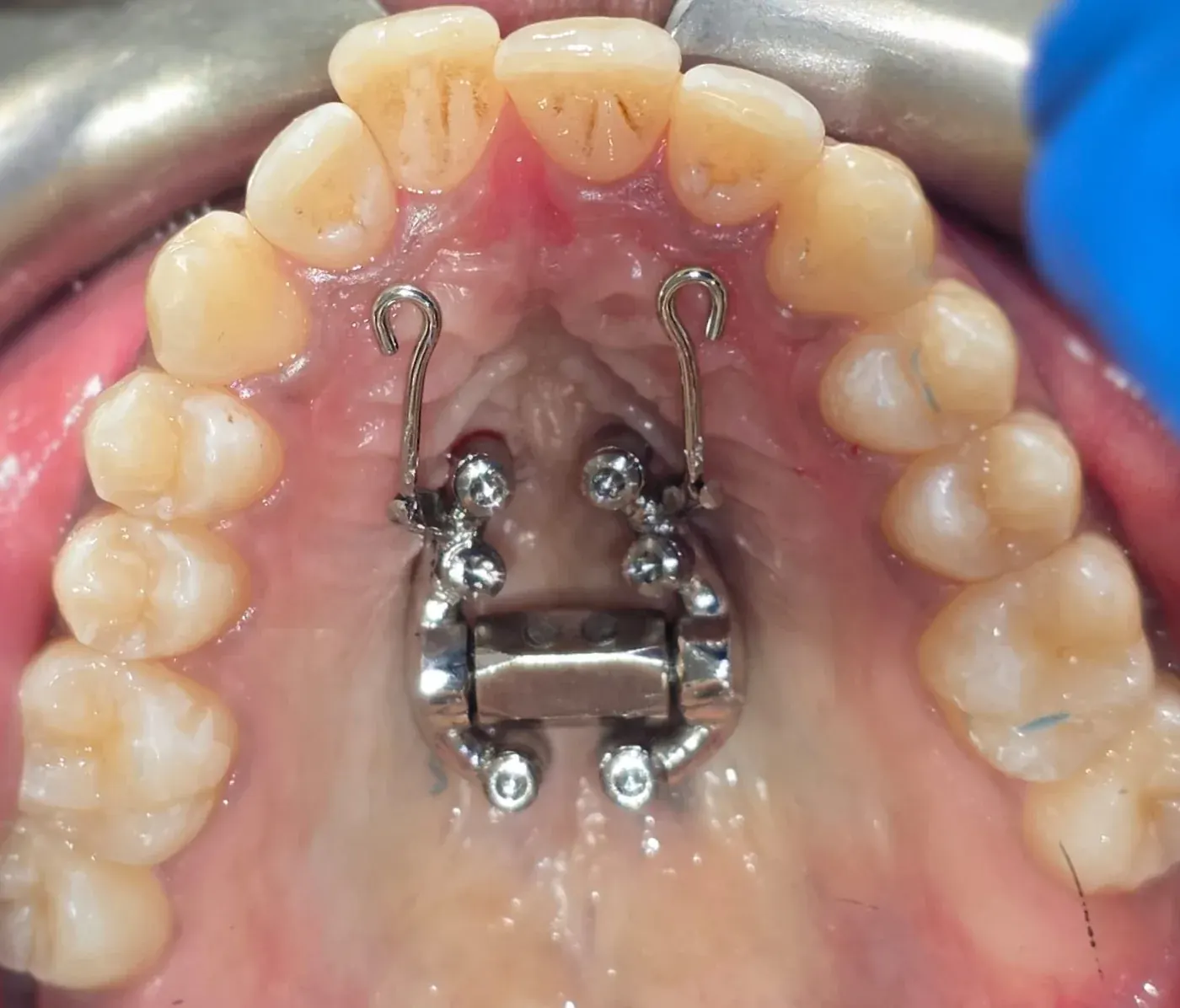
Dental or skeletal?
A dental underbite is a problem of tooth position: the upper incisors have tipped back or the lower ones forward, on jaws that are essentially well related. It can often be corrected with appliances alone.
A skeletal underbite reflects the jaws themselves — an underdeveloped maxilla, an over-developed mandible, or both. Appliances cannot make a jaw smaller. In a growing child, growth can be directed; in an adult it cannot, so the choice is between camouflage and surgery.
Why timing matters more here than almost anywhere
Maxillary deficiency responds to protraction — typically with a facemask, often combined with expansion — and it responds best early, generally before about ten years of age while the circummaxillary sutures are still responsive. Class III patterns also tend to worsen through the adolescent growth spurt, because the mandible continues to grow later and for longer than the maxilla.
This is why a child with an anterior crossbite or a developing Class III pattern is one of the clearest reasons to see an orthodontist early rather than waiting for all the permanent teeth.
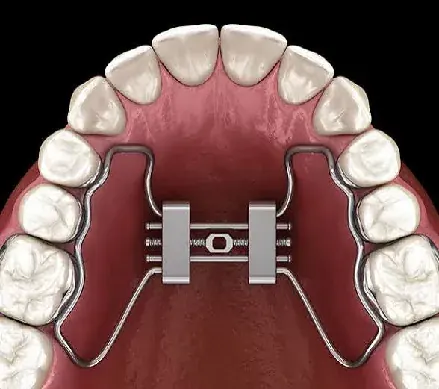
Treatment options
| Stage | Approach | Notes |
|---|---|---|
| Young child | Protraction facemask, usually with maxillary expansion | Aims to bring an underdeveloped maxilla forward while sutures respond |
| Adolescent | Growth modification if growth remains; monitoring | Mandibular growth continues late; a decision may need to wait for growth to complete |
| Adult, mild to moderate | Orthodontic camouflage | Compensating tooth position for a skeletal discrepancy; has limits |
| Adult, significant | Orthognathic surgery with orthodontics | The only way to change adult jaw position; planned jointly with a maxillofacial surgeon |
Frequently asked questions
Can an underbite be fixed without surgery in an adult?
Mild to moderate skeletal Class III cases can often be camouflaged orthodontically — compensating with tooth position for a jaw relationship that will not change. There are limits to how far that can go before the result becomes unstable or unaesthetic, and beyond those limits surgery is the honest answer.
At what age should a child with an underbite be seen?
Early — around seven or eight. Protraction of a deficient maxilla works best while the sutures around it are still responsive, and waiting until the permanent teeth are through can mean the most effective window has closed.
Page last reviewed: 2026-09-10. This page is general health information about orthodontic care and is not a diagnosis, a treatment plan, or a substitute for an in-person clinical examination. Suitability for any treatment described here can only be established after a consultation, clinical assessment and the appropriate records. If you have symptoms that concern you, seek advice from a qualified clinician.
Appointments
Arrange a specialist orthodontic assessment in Dubai
Consultations take place at Manhal Medical Center, Al Safa 1, Dubai, in English or Arabic. Every assessment begins with a full clinical examination and, where indicated, 3D imaging — not a treatment quote.