Treatment
Sleep apnoea and orthodontics in Dubai
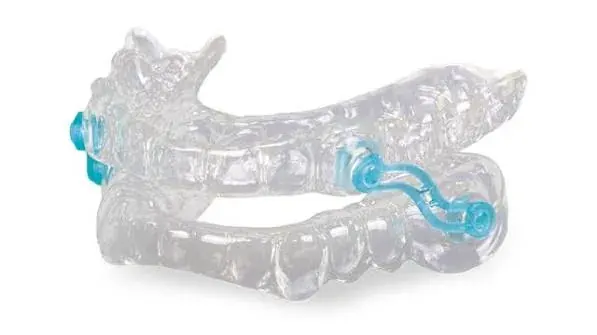
Oral appliance therapy is an established treatment for obstructive sleep apnoea in the right patients. It sits inside a medical plan, follows a diagnosis, and is monitored — all three of those conditions matter.
The sequence, and why the order is fixed
- Diagnosis by a physician
Obstructive sleep apnoea is diagnosed on a sleep study. Severity determines what treatment is appropriate, so treatment cannot sensibly precede it.
- Decision on modality
CPAP remains first-line for moderate to severe disease. Oral appliances are an accepted option for mild to moderate disease, for snoring, and for patients who cannot tolerate CPAP. That decision belongs to the physician.
- Dental suitability assessment
Enough sound teeth to retain an appliance, healthy periodontal support, acceptable jaw joint status, and adequate protrusive range. Not everyone passes this.
- Fitting and titration
The appliance is fitted and the amount of mandibular advancement increased gradually to the point of symptom benefit with tolerable side effects.
- Efficacy testing
Repeat sleep testing with the appliance in place, arranged by the physician. Feeling better is encouraging; it is not evidence that the apnoea is controlled.
- Long-term review
Appliance condition, dental and occlusal changes, and continued efficacy are reviewed. Bite change is a recognised effect of long-term use.
How an oral appliance works
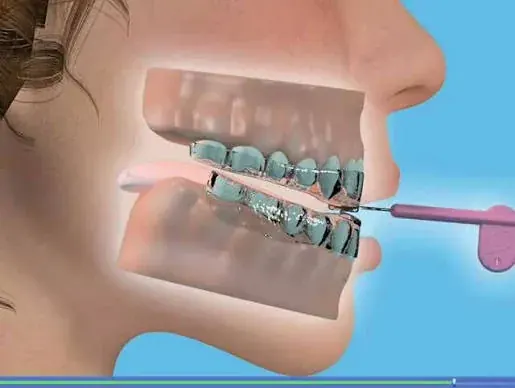
A mandibular advancement device holds the lower jaw slightly forward during sleep. This carries the tongue and attached soft tissues forward with it, increasing the space behind the tongue and reducing the tendency of the pharyngeal airway to collapse. Custom appliances made from accurate records and adjustable in small increments perform better than boil-and-bite devices.
Side effects to know about before starting
- Jaw and muscle discomfort in the morning, usually settling over the first weeks.
- Increased salivation or a dry mouth.
- Tooth tenderness.
- Occlusal change over time — reduction in overbite and overjet, and small changes in tooth position. This is well documented with long-term use and is a reason for regular monitoring with records.
- Temporomandibular symptoms in a minority; usually manageable, occasionally requiring the appliance to be stopped.
Where orthodontic treatment itself contributes
Separately from appliance therapy, orthodontic and orthopaedic treatment can address structural factors: maxillary expansion in a patient with a diagnosed transverse deficiency, growth modification in a child with a significantly retruded mandible, and orthodontic preparation for orthognathic surgery where maxillomandibular advancement is being considered by a surgical team.

- Sleep and breathing overview
- Mandibular advancement devices
- Home sleep study
- Sleep-disordered breathing
- Snoring
Frequently asked questions
Can I get an oral appliance without a sleep study?
Not for sleep-disordered breathing. The severity and type of the disorder determine what treatment is appropriate, and treating snoring while a moderate or severe apnoea goes undiagnosed underneath is the specific harm the requirement prevents.
Is an oral appliance as good as CPAP?
CPAP is more effective at reducing the apnoea–hypopnoea index. Oral appliances are typically better tolerated and used for more hours per night, which narrows the difference in real-world outcomes for mild to moderate disease. Which is appropriate for you is a decision for your physician.
Will an appliance change my bite?
Long-term use can produce measurable dental and occlusal change in a proportion of patients. It is a recognised effect, discussed before treatment starts and monitored with records at review appointments.
Does expansion treat sleep apnoea in adults?
Maxillary expansion addresses a transverse skeletal deficiency where one is diagnosed. It is not a treatment for obstructive sleep apnoea, and its effect on a breathing disorder in an individual adult cannot be predicted.
Page last reviewed: 2026-09-10. This page is general health information about orthodontic care and is not a diagnosis, a treatment plan, or a substitute for an in-person clinical examination. Suitability for any treatment described here can only be established after a consultation, clinical assessment and the appropriate records. If you have symptoms that concern you, seek advice from a qualified clinician.
Continue reading
Sleep, breathing and orthodontics
Snoring and obstructive sleep apnoea are medical problems. Orthodontics has a defined, limited and genuinely useful role…
Mandibular advancement devices
A mandibular advancement device is a custom appliance that holds the lower jaw forward during sleep. It is an effective…
Home sleep study
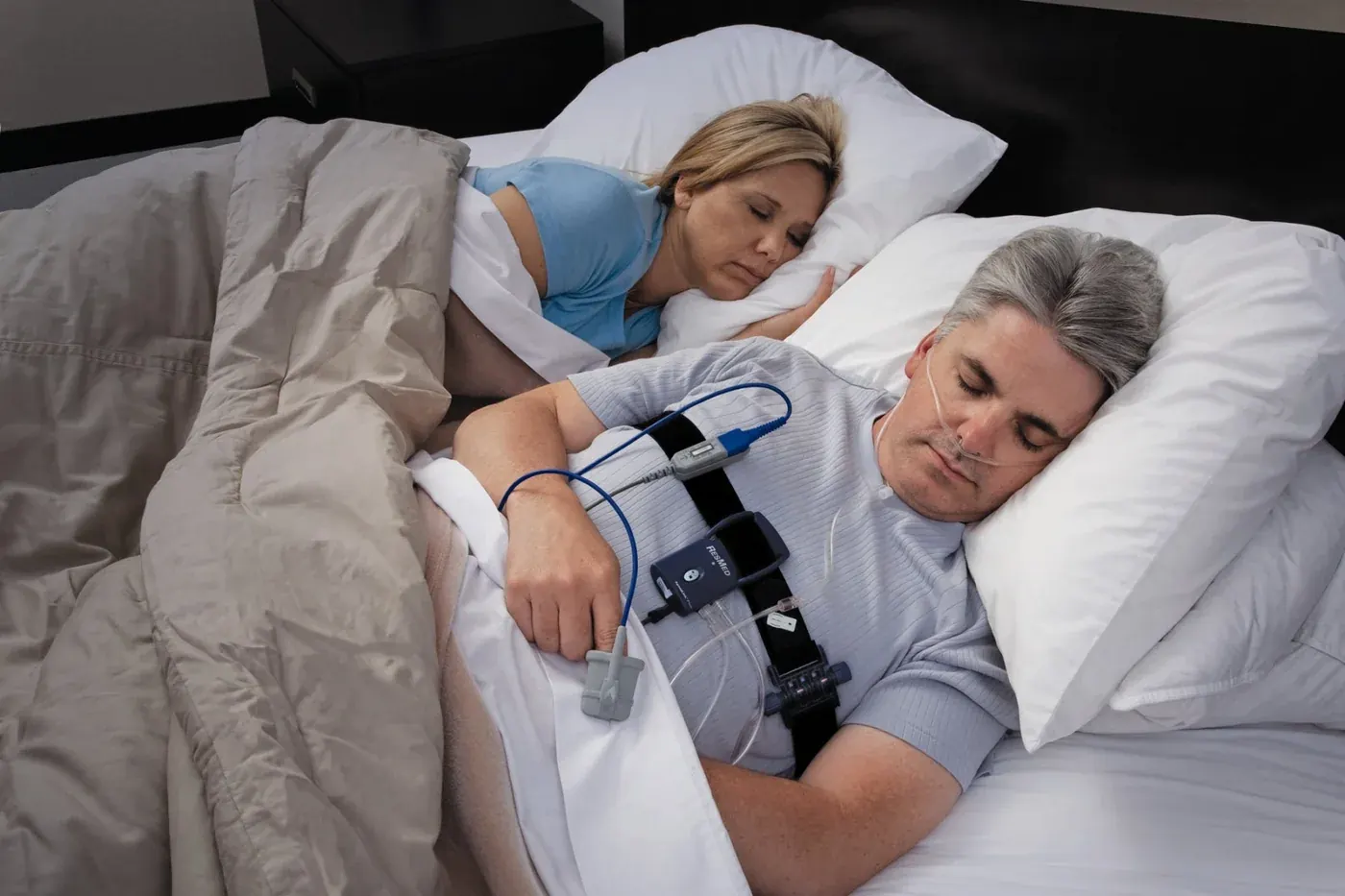
A home sleep study produces objective data about breathing during sleep. It is a screening tool that makes a referral more…
Appointments
Arrange a specialist orthodontic assessment in Dubai
Consultations take place at Manhal Medical Center, Al Safa 1, Dubai, in English or Arabic. Every assessment begins with a full clinical examination and, where indicated, 3D imaging — not a treatment quote.