Treatment
TMJ treatment in Dubai
Treatment for a temporomandibular disorder should start with knowing which disorder it is. What follows is staged, begins with reversible measures, and only becomes orthodontic where the bite is genuinely part of the problem.
What treatment aims to do
The realistic aims are to reduce pain, restore comfortable function, protect the joint and teeth from further load, and correct any structural factor the patient wants corrected. The aim is not to eliminate every joint noise, and not to guarantee that symptoms will never return.
Stage one: reversible management
The great majority of temporomandibular disorders improve with conservative care, so that is where treatment starts. Nothing at this stage is irreversible.
- Explanation and reassurance. Understanding that most of these problems fluctuate and improve changes how people experience them, and this is one of the better-evidenced interventions available.
- Load reduction. A softer diet for a defined period, avoiding wide opening and hard chewing, and stopping habits such as gum chewing and nail biting.
- Jaw exercises and physiotherapy. Controlled opening exercises, stretching and, where indicated, referral to a physiotherapist with experience of the temporomandibular joint.
- Heat, and simple analgesia used appropriately and for a limited period.
- Attention to sleep and parafunction. Where clenching is prominent, the reasons behind it — including disturbed sleep and breathing — are worth identifying.
Stage two: splint therapy
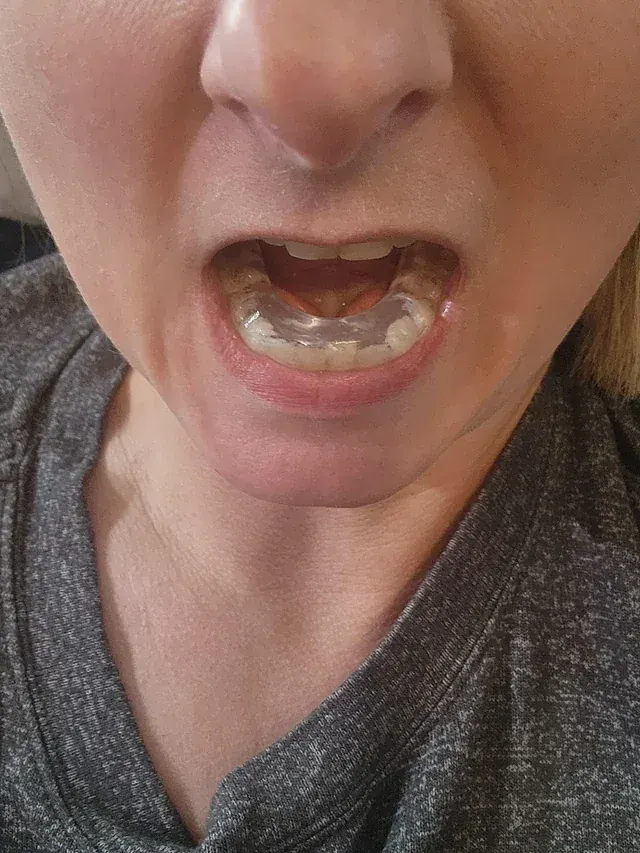
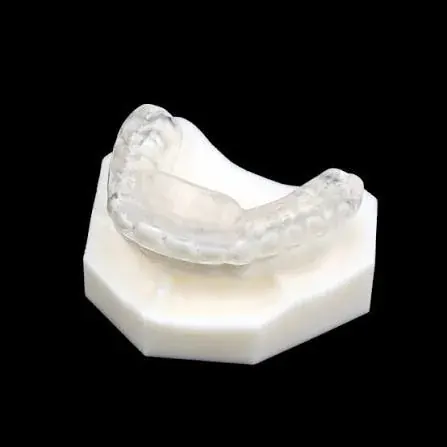
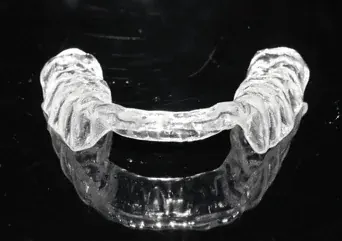
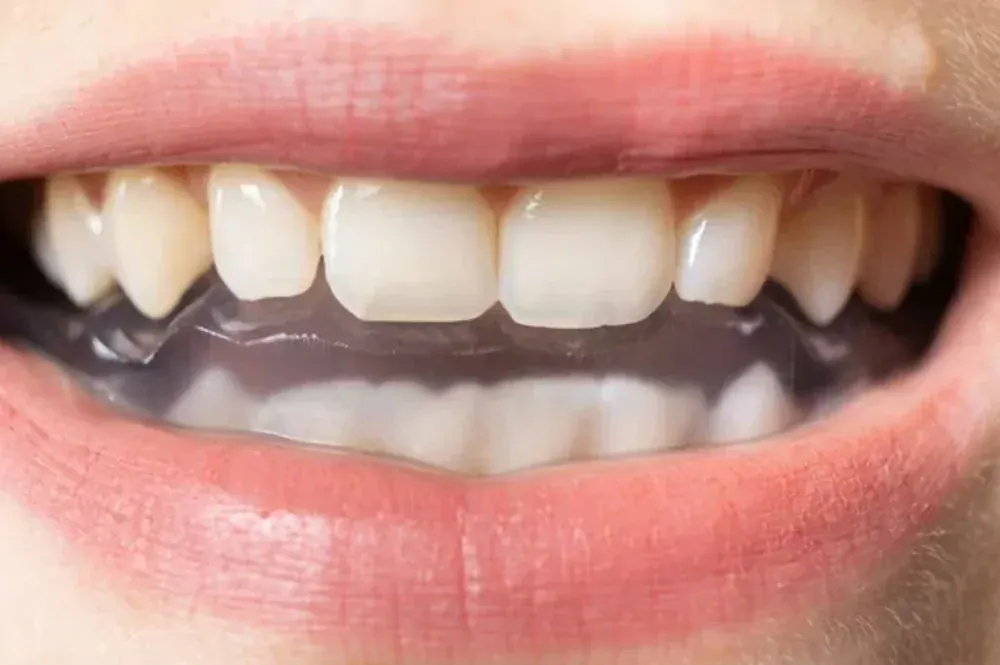
A stabilisation splint is a removable acrylic appliance worn over the teeth, usually at night. It protects the teeth from wear, changes the pattern of muscle activity, and can serve a diagnostic purpose — if symptoms respond to a change in jaw position, that is information.
Splints are used deliberately, with a stated purpose and a review point. A splint that has been worn for two years without anyone asking whether it is still helping is not treatment; it is a habit.
Stage three: where orthodontics fits
Orthodontic treatment is considered when there is a specific occlusal or skeletal problem — a significant transverse discrepancy with a functional shift, a marked skeletal discrepancy, or an unstable occlusion following previous treatment — and the patient wants it corrected. It is presented as correction of that problem, with any effect on symptoms discussed honestly as uncertain.
The tools available include fixed appliances, aligners, skeletal expansion where a transverse deficiency is present, and temporary anchorage devices for movements the teeth alone cannot support.
When referral is the right answer
- Suspected inflammatory arthropathy, or joint symptoms alongside other affected joints — rheumatology.
- Persistent locking that has not responded to conservative care — oral and maxillofacial surgery.
- Neuropathic facial pain, or pain that does not fit a mechanical pattern — specialist facial pain services.
- Symptoms alongside significant sleep disturbance or witnessed apnoeas — sleep medicine.
- Established chronic pain with a substantial impact on daily life — multidisciplinary pain management, which is more effective than any single dental intervention.
- TMJ overview
- TMJ disorders explained
- Splint therapy
- Day and night orthotics
- Joint imaging
- Book a TMJ assessment

Most temporomandibular disorders improve
A person holding the side of the jaw in front of the ear, where temporomandibular pain is typically felt
Frequently asked questions
How quickly will my jaw pain improve?
Muscle-dominant pain often responds to conservative measures within weeks. Disc and degenerative problems follow a longer course. A minority of patients have persistent symptoms requiring ongoing management. No timeline can honestly be given before an examination.
Do I need a scan of my jaw joints?
Only if it will change the plan. CBCT shows bone well and the disc poorly, so it answers questions about degenerative change and condylar position. It is justified individually because it involves ionising radiation.
Is Botox used for jaw clenching?
Botulinum toxin injection into the masseter muscles is used by some clinicians for masticatory muscle pain and clenching. The evidence is mixed, the effect is temporary, and repeated use has been associated with reduced muscle bulk and, in some reports, bone changes. It is not part of the first-line approach here.
Will orthodontic treatment make my TMJ worse?
Current evidence does not show that orthodontic treatment causes temporomandibular disorder, nor that it reliably cures it. Symptoms can fluctuate during any treatment. Where a patient has active joint symptoms, those are managed and stabilised before comprehensive orthodontics begins.
Page last reviewed: 2026-09-10. This page is general health information about orthodontic care and is not a diagnosis, a treatment plan, or a substitute for an in-person clinical examination. Suitability for any treatment described here can only be established after a consultation, clinical assessment and the appropriate records. If you have symptoms that concern you, seek advice from a qualified clinician.
Continue reading
TMJ and the jaw joint
Pain, clicking, locking and restricted opening of the jaw are common, and they have several different causes. This section…
Splints and occlusal orthotics
A splint is a removable appliance worn over the teeth. Used with a clear purpose and a review date, it is useful. Used as a…
Temporomandibular disorders (TMD)
TMD is not one condition. It is a group of problems affecting the jaw joint, the chewing muscles, or both, and separating them…
Appointments
Arrange a specialist orthodontic assessment in Dubai
Consultations take place at Manhal Medical Center, Al Safa 1, Dubai, in English or Arabic. Every assessment begins with a full clinical examination and, where indicated, 3D imaging — not a treatment quote.