Treatment
Home sleep study
A home sleep study produces objective data about breathing during sleep. It is a screening tool that makes a referral more useful — it is not a diagnosis.
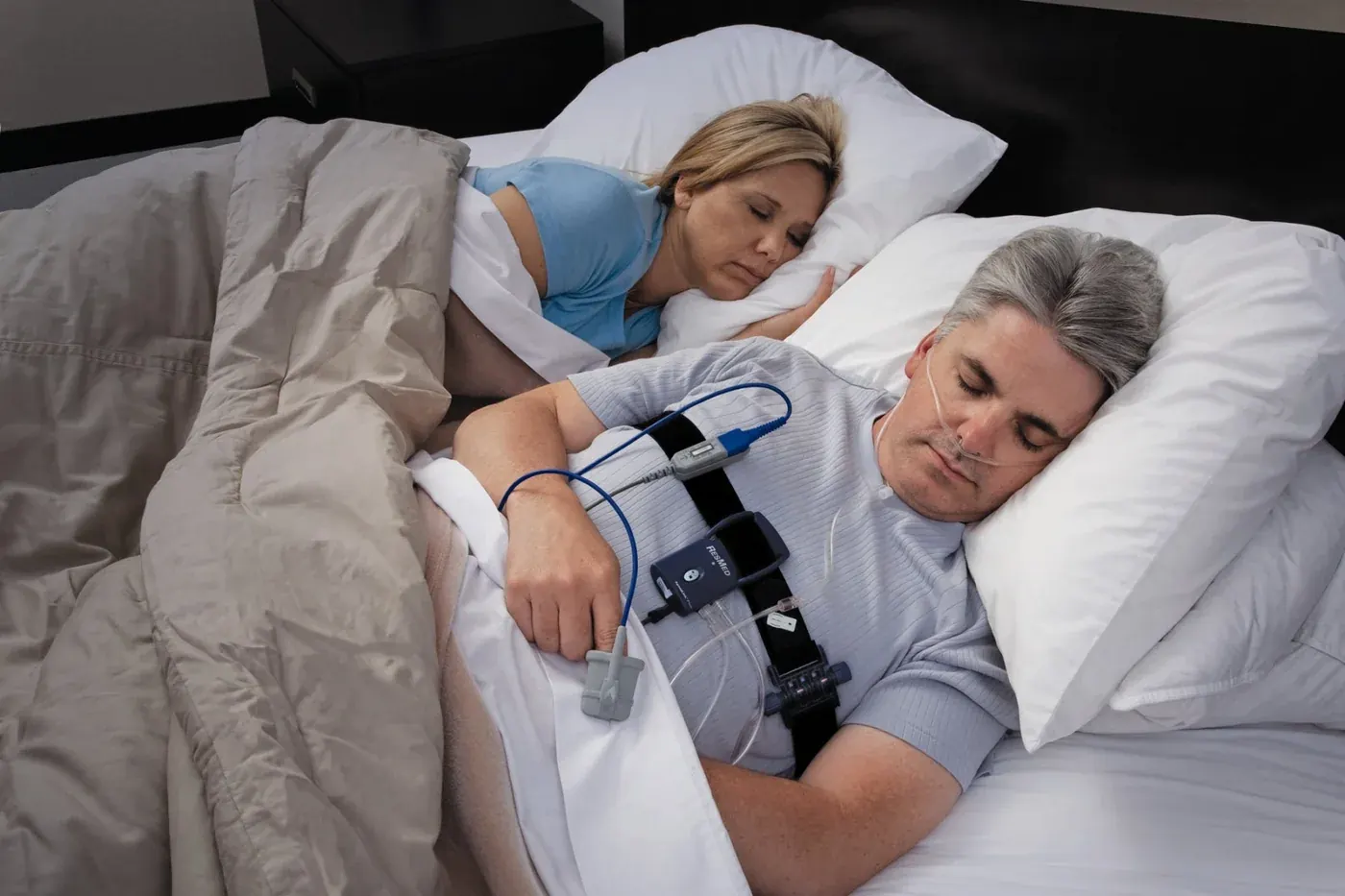
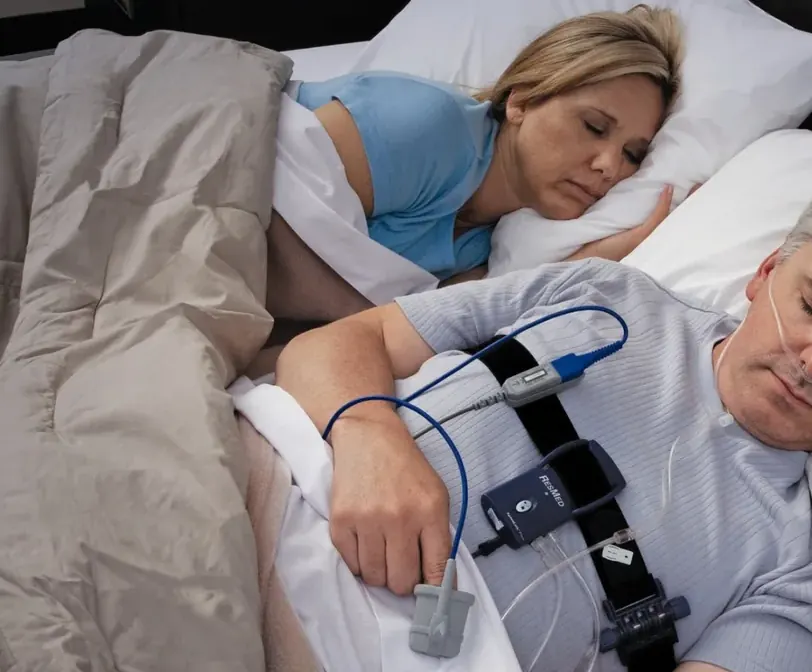
What it measures
A home study typically records airflow, respiratory effort, blood oxygen saturation, heart rate, body position and snoring. From these an apnoea–hypopnoea index can be estimated, along with the degree and duration of oxygen desaturation.
What it does not measure
- Sleep itself. Without EEG it cannot tell whether you were asleep, or in which stage — so indices are calculated against recording time rather than sleep time, which tends to underestimate severity.
- Central events reliably, and it cannot distinguish all central from obstructive events.
- Other sleep disorders — periodic limb movement, narcolepsy, parasomnias — which may be the actual explanation for daytime sleepiness.
Where it fits here
It is used when the orthodontic history raises a suspicion of sleep-disordered breathing and objective data will make a referral more useful and faster. The result is provided to the patient and to the sleep physician. Diagnosis, severity grading and treatment decisions remain medical.
Children
Home studies are less informative in children than in adults, and paediatric sleep-disordered breathing has different diagnostic thresholds. For a child, referral to a paediatrician, sleep physician or ENT surgeon is generally the more appropriate step.
Frequently asked questions
Is a home study the same as a sleep study in hospital?
No. In-laboratory polysomnography records brain activity, eye movement and muscle tone in addition to breathing, so it measures sleep itself. Home studies measure breathing only and are a screening tool.
Can you diagnose me from the result?
No. The result informs a referral. Diagnosis and management belong to a sleep physician.
Do I need one before an oral appliance?
You need a diagnosis before an oral appliance. A home study may be the route to getting one, or your physician may want laboratory testing. Either way, the diagnosis comes first.
Page last reviewed: 2026-09-10. This page is general health information about orthodontic care and is not a diagnosis, a treatment plan, or a substitute for an in-person clinical examination. Suitability for any treatment described here can only be established after a consultation, clinical assessment and the appropriate records. If you have symptoms that concern you, seek advice from a qualified clinician.
Appointments
Arrange a specialist orthodontic assessment in Dubai
Consultations take place at Manhal Medical Center, Al Safa 1, Dubai, in English or Arabic. Every assessment begins with a full clinical examination and, where indicated, 3D imaging — not a treatment quote.