Condition
Temporomandibular disorders (TMD)
TMD is not one condition. It is a group of problems affecting the jaw joint, the chewing muscles, or both, and separating them is what determines the treatment.
The main types
| Type | Typical presentation | Usual first-line approach |
|---|---|---|
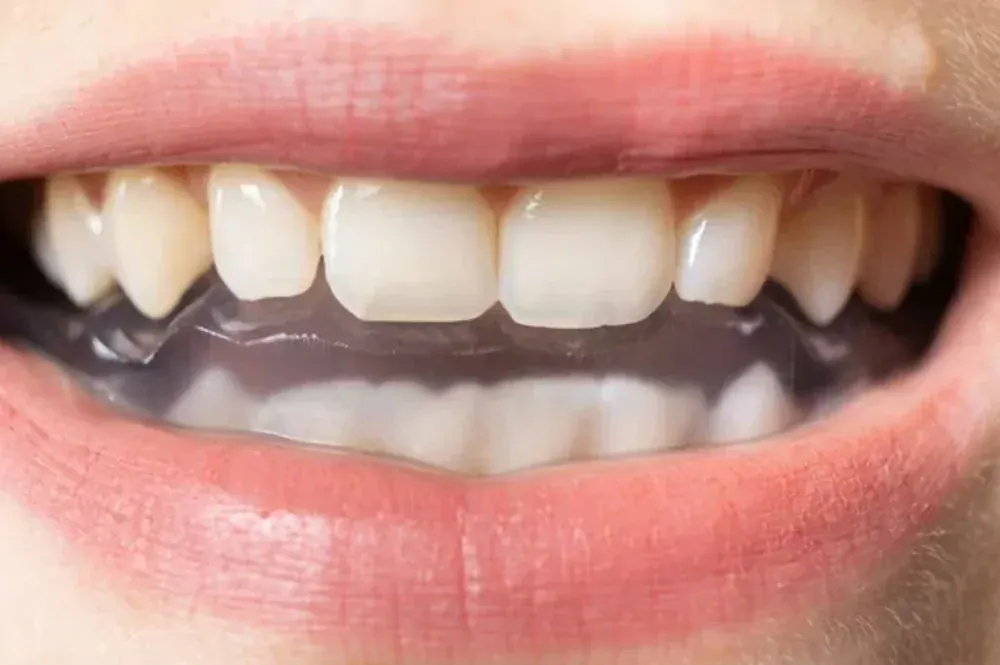
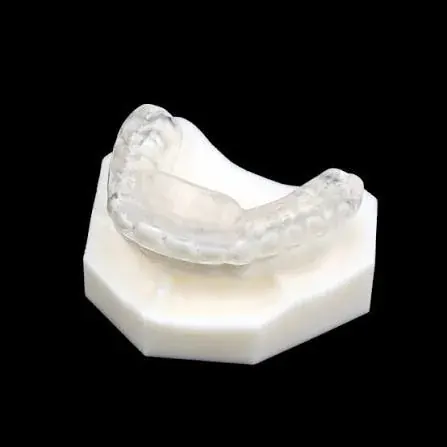
| Myofascial pain | Dull ache in the cheek and temple, worse on waking or after chewing; tender muscles on palpation | Reassurance, soft diet, jaw rest, heat, exercises, sometimes a stabilisation splint |
| Disc displacement with reduction | A click on opening and often a second on closing; usually painless; normal opening range | Often no treatment needed; monitoring and reassurance |
| Disc displacement without reduction | Sudden limited opening — classically to around 25–30 mm — often after a history of clicking that then stopped | Early mobilisation, analgesia, physiotherapy; most improve over months |
| Degenerative joint disease | Crepitus (grating), stiffness, sometimes a changing bite; more common with age | Conservative management; imaging where it changes the plan; occasionally specialist referral |
| Inflammatory arthropathy | Joint pain and swelling, often with other joints involved | Medical assessment — this is rheumatological, not orthodontic |
What causes it
In most patients no single cause can be identified, and looking for one is often unhelpful. Contributing factors that are supported by evidence include parafunction (clenching and grinding), trauma, joint hypermobility, psychological stress and poor sleep, and — in a minority — specific occlusal factors.
The idea that a slightly imperfect bite causes temporomandibular disorder, and that adjusting the bite therefore cures it, was widely believed and is not supported by current evidence. This matters, because it has historically led to irreversible treatment for a condition that usually improves without it.
Natural history
Most temporomandibular disorders fluctuate and most improve. Joint noise alone, without pain or restricted function, is common in the general population and generally needs no treatment. This is the reason conservative, reversible management comes first: because the majority of patients get better on it.
When to seek assessment
- Pain that is limiting eating, sleeping or work.
- The jaw locking, either closed or open.
- A noticeable change in how the teeth meet.
- Symptoms following an injury to the face or jaw.
- Joint noise accompanied by pain or a reduction in opening.
Frequently asked questions
Is my clicking jaw a problem?
Usually not, on its own. Painless clicking with a full range of opening is common and, in the absence of other symptoms, is generally monitored rather than treated. Clicking that is accompanied by pain, that has recently changed, or that is followed by locking, is worth assessing.
Can stress cause TMJ pain?
Stress is a recognised contributing factor, largely through increased muscle activity and clenching, and through its effect on sleep and pain perception. That does not make the pain imaginary, and it does not mean nothing physical can be done — but it does explain why management often includes measures that have nothing to do with the teeth.
Will I need surgery?
Very rarely. The overwhelming majority of temporomandibular disorders are managed conservatively. Surgery is reserved for a small number of specific problems that have not responded to appropriate non-surgical care, and it is a maxillofacial rather than orthodontic decision.
Page last reviewed: 2026-09-10. This page is general health information about orthodontic care and is not a diagnosis, a treatment plan, or a substitute for an in-person clinical examination. Suitability for any treatment described here can only be established after a consultation, clinical assessment and the appropriate records. If you have symptoms that concern you, seek advice from a qualified clinician.
Appointments
Arrange a specialist orthodontic assessment in Dubai
Consultations take place at Manhal Medical Center, Al Safa 1, Dubai, in English or Arabic. Every assessment begins with a full clinical examination and, where indicated, 3D imaging — not a treatment quote.