Manhal Medical Center · Al Safa 1, Dubai
Orthodontics that begins with how you breathe.
Dr. Moaiyad Pacha is a Consultant Specialist Orthodontist in Dubai. His work concentrates on the cases general orthodontics finds hardest — the jaw joint, the narrow upper jaw, and bites that sit alongside disturbed breathing and sleep.
- Orthodontics
- TMJ
- MARPE
- Airway
- Sleep
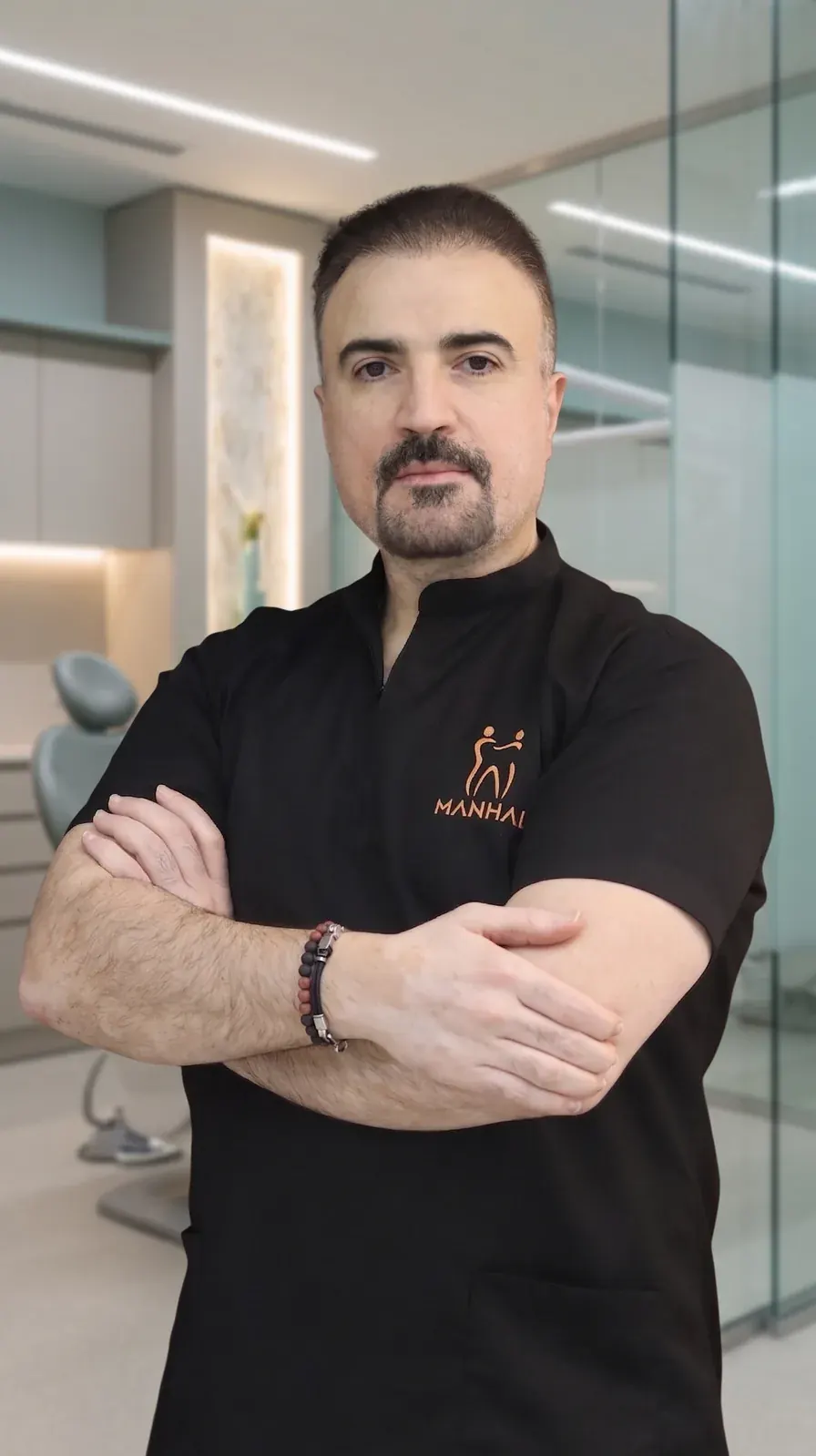
Dr. Pacha holds a clinical PhD from Queen Mary University of London, the Fellowship in Orthodontics of the Royal College of Surgeons of England and the Membership in Orthodontics of the Royal College of Surgeons of Edinburgh — two of the highest specialist orthodontic qualifications awarded in Britain. His hospital training included senior clinical roles at the Royal London Hospital.
That training now serves patients in the Emirates. He sees every patient at Manhal Medical Center in Al Safa 1, Dubai, and holds consultant certification in the UAE.
Clinical focus
Four areas where a specialist opinion changes the plan
Most orthodontic problems are straightforward. These four are not: they need three-dimensional records, a diagnosis before an appliance, and frequently a conversation with another clinician.

TMJ and the jaw joint
Clicking, locking, restricted opening, facial and temple pain — assessed from what is happening in the joint and the muscles, not from a night guard.
TMJ care in Dubai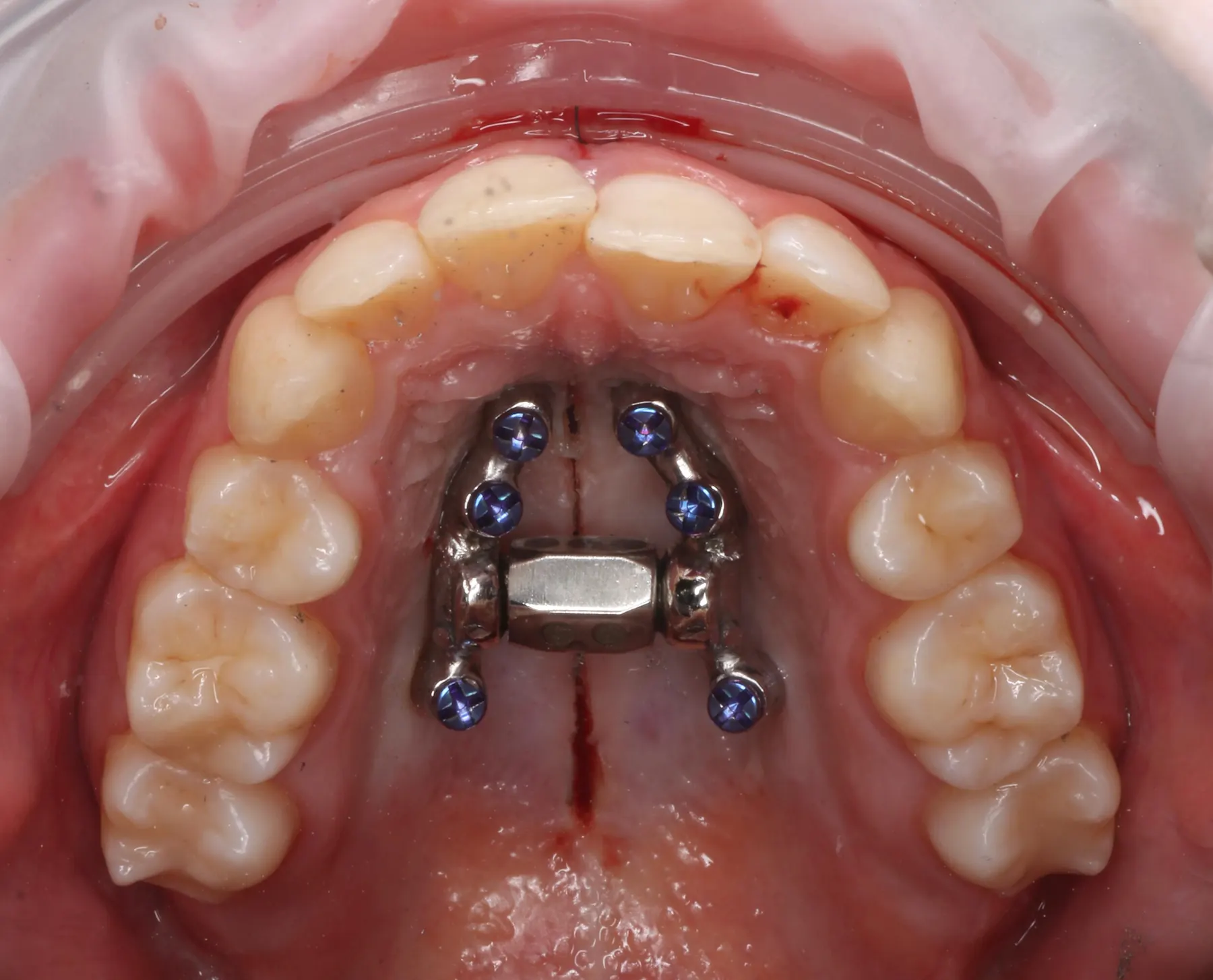
MARPE and skeletal expansion
Bone-anchored widening of a narrow upper jaw in selected adults and late adolescents, planned from CBCT rather than from age alone.
MARPE in Dubai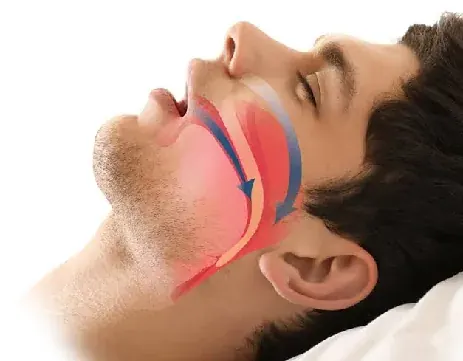
Airway-focused orthodontics
Where jaw shape, nasal breathing and tongue posture interact — one contribution to a medical picture, not the whole of it.
Airway orthodontics
Sleep-related breathing
Snoring, mouth breathing and diagnosed sleep apnoea, handled alongside sleep physicians and ENT. Diagnosis stays with medicine.
Sleep and orthodonticsOrthodontics
Comprehensive treatment, planned by a specialist
Appliances are tools, not plans. Which one is right follows from the diagnosis — and sometimes the answer is that no appliance is indicated yet.
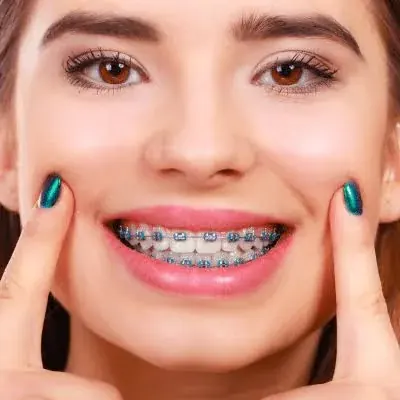
Fixed braces
Metal and ceramic appliances for comprehensive correction, including complex and previously-treated cases.
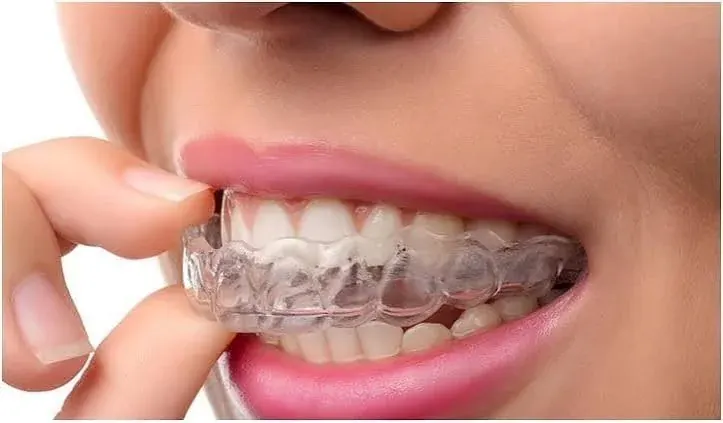
Clear aligners
Aligner treatment where the movements required are within range — and a frank answer when they are not.
Adult orthodontics
Planned around adult bone, gum condition, existing dental work and previous treatment.
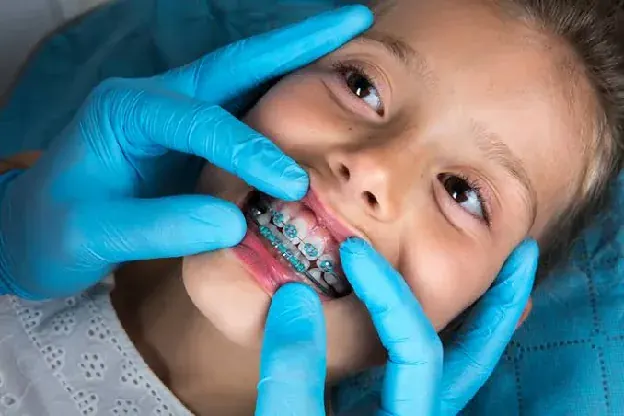
Children's orthodontics
Growth-timed treatment — and monitoring where treatment is not yet indicated.
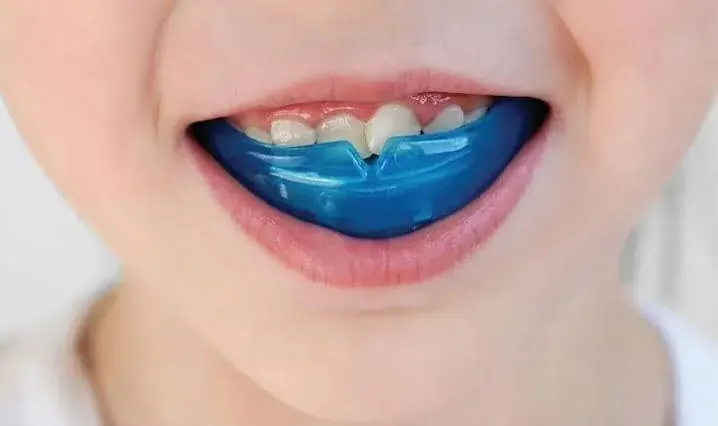
Early treatment
Interceptive treatment for the specific problems that genuinely benefit from it.
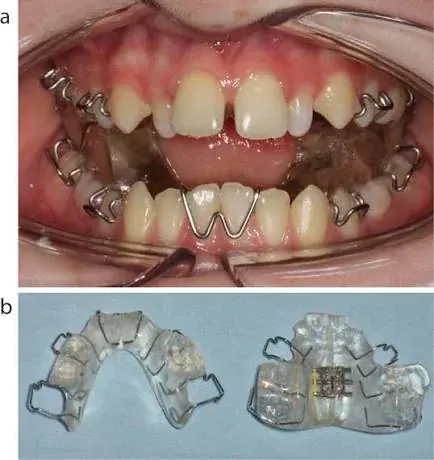
Functional appliances
Growth modification of jaw relationships, timed to the pubertal growth spurt.
Feature · TMJ
Jaw pain: conservative first, and reversible
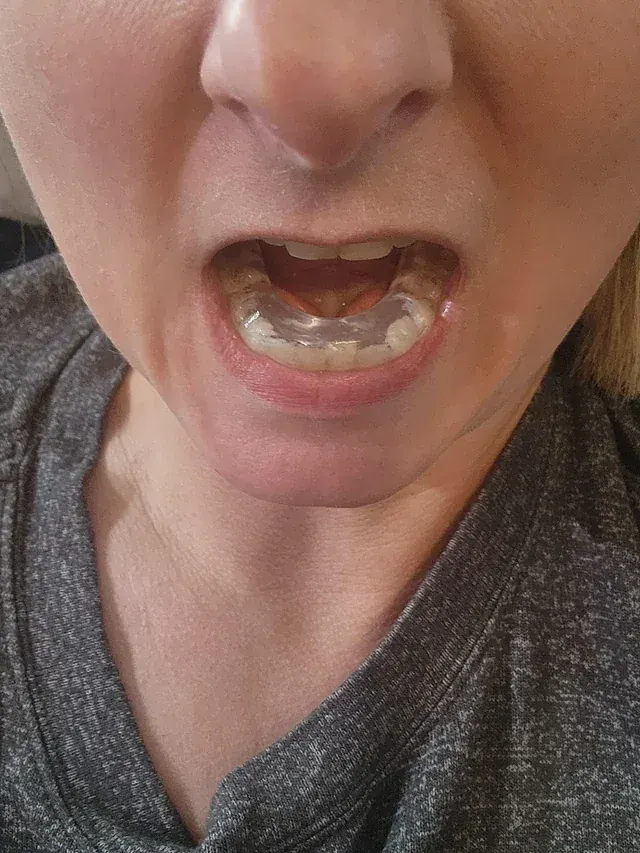
Temporomandibular disorder is not one condition. Muscle-dominant pain, disc displacement with and without reduction, degenerative joint disease and inflammatory arthropathy all present differently and respond to different things.
The great majority improve with conservative, reversible management — explanation, load reduction, exercises, and a stabilisation splint used with a stated purpose and a review date. Orthodontics enters where a specific occlusal or skeletal problem is contributing and the patient wants it corrected.
Feature · MARPE
Widening an adult upper jaw, without surgery
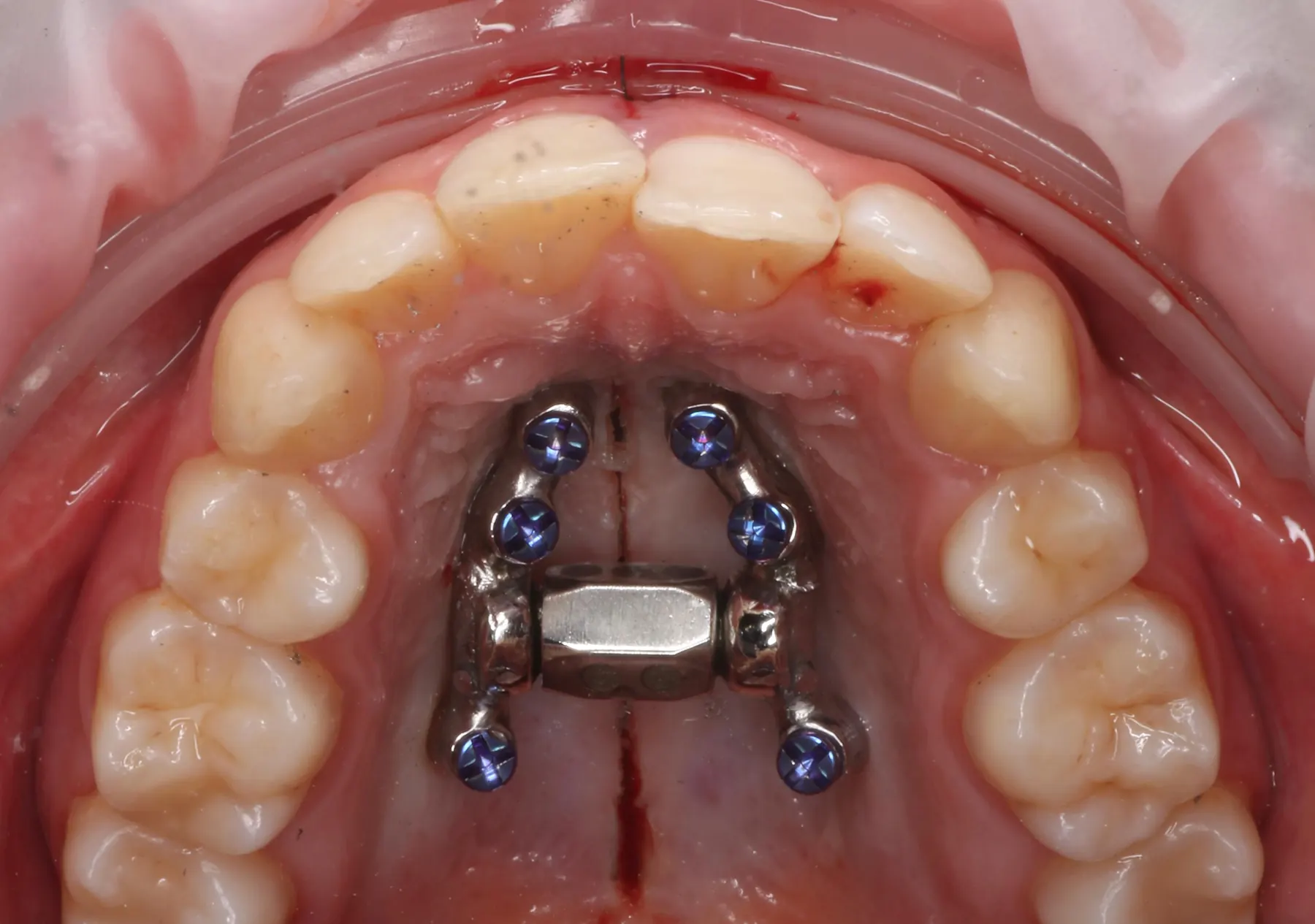
The upper jaw is two halves joined along the midline of the palate. In children that suture is open and a conventional expander separates it. With maturity it interdigitates and, in many adults, fuses — and a tooth-borne expander then tips teeth rather than moving bone.
Miniscrew-assisted rapid palatal expansion anchors directly into palatal bone, so force reaches the skeleton rather than the dentition. Whether it is possible for you is decided on CBCT assessment of suture maturity and palatal bone thickness — not on your age, and not on preference.
Where the imaging does not support a non-surgical approach, surgically-assisted expansion is the recommendation — said before treatment starts, not after an expansion has failed.
The airway argument
The floor of the nose is the roof of the mouth.
Much of the upper airway is bounded by structures orthodontics can influence. The palate forms the floor of the nasal cavity. The tongue sits within the lower arch. Where the jaws sit determines how much room the tongue and soft palate have in front of the pharyngeal wall.
So an airway-focused assessment adds specific questions to a standard orthodontic examination: nasal patency at rest, palatal width and vault height, the position of the lower jaw, tongue posture and lip seal, and a structured sleep history.
Sleep
Snoring and disturbed sleep are symptoms with several causes.
Sleep-disordered breathing runs from simple snoring through upper airway resistance to obstructive sleep apnoea. They are not the same condition, they do not carry the same risk, and only one of them is diagnosed by an orthodontist — none of them.
What an orthodontic assessment contributes is the structural part of the picture: jaw position and size, palatal width, tongue space, and whether the face is built in a way that narrows the airway. Where that is relevant, it is one input to a plan a physician leads.
Diagnostics
Records that answer a question
Imaging is taken to resolve a specific clinical uncertainty — suture maturity before expansion, joint morphology before splint therapy, root position before complex mechanics. Radiation exposure is justified individually, never routinely.
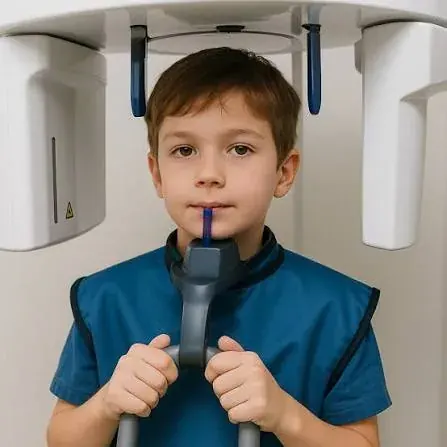
2D and 3D CBCT imaging
Cone beam CT where a two-dimensional film cannot answer the question.
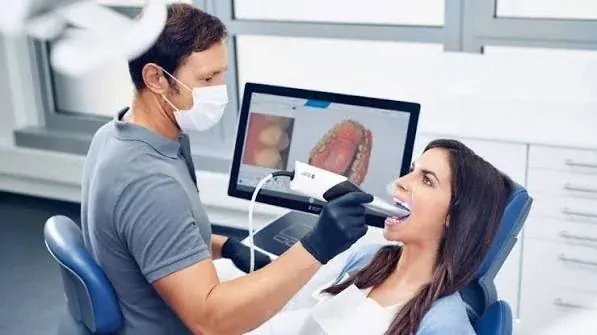
Digital impressions
Optical scanning instead of impression material — and precise superimposition to measure progress.
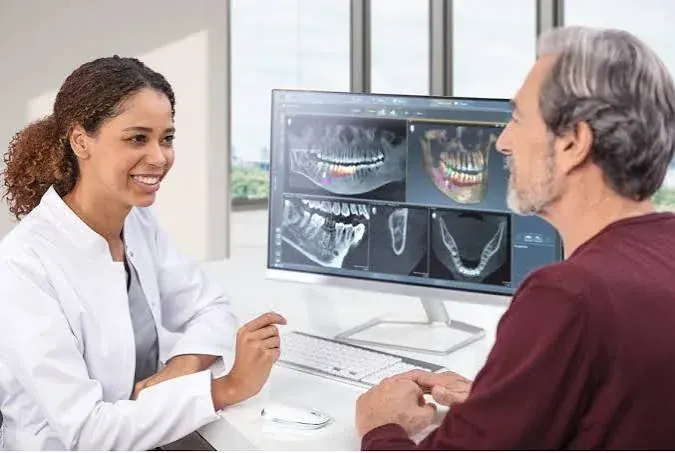
Radiology reporting
The whole volume examined, including findings outside the orthodontic field of interest.
Treated cases
MARPE expansion, before and after
Intraoral photographs from Dr. Pacha's own cases. Every case is individual: these images record what happened for these patients, not what will happen for you.
The clinic
Manhal Medical Center, Al Safa 1
Al Safa 1 sits between Al Wasl Road and Sheikh Zayed Road. It is within a few minutes of Jumeirah, Umm Suqeim and Al Wasl, a short run from Downtown Dubai, Business Bay and DIFC, and reachable from Dubai Marina, Al Barsha and Dubai Hills without crossing the creek. Patients also travel in from Sharjah and Abu Dhabi.
- Address
- Manhal Medical Center, Al Safa 1, Dubai, United Arab Emirates
- Telephone
- +971 4 328 4560
- info@manhalmedicalcenter.com
- Opening hours
- Saturday to Thursday, 9:00–18:00 (Gulf Standard Time). Closed Friday.
Dr. Pacha practises at Manhal Medical Center, an independent medical facility in Dubai that he does not own. All treatment takes place there.
Patient reviews
What patients say on Google
Reviews of this practice are published on the Google listing for Manhal Medical Center, Al Safa 1, Dubai, where they can be read in full and in context — with the reviewer's own name and date attached.
Nothing on this page is a paraphrase or a selected extract. Reviews are shown by Google, not by us.
New patients
Your first visit
A first appointment is an assessment, not the start of treatment. Four things happen, in this order, and each one exists because the next depends on it.
Assessment
Examination of the teeth, bite, jaw joints and facial proportions — and of nasal breathing where it bears on the complaint.
Records and imaging
Photographs, a digital scan, and imaging only where a decision depends on what it would show.
Diagnosis
A description of the mechanism behind the problem, separated from the label — because that is what determines which treatments can work.
Treatment planning
The options, including doing nothing, with what each involves, what it cannot do, the risks and a time estimate. Nothing is decided in the chair.
Conditions explained
Start with the problem, not the appliance
These pages describe conditions: what each one is, why it happens, how it is assessed, and what the realistic options are — including leaving it alone.
Common questions
Before you book
Is Dr. Pacha a specialist orthodontist?
Yes. Dr. Moaiyad Pacha is a Consultant Specialist Orthodontist. He holds a clinical PhD from Queen Mary University of London, the Fellowship in Orthodontics of the Royal College of Surgeons of England, the Membership in Orthodontics of the Royal College of Surgeons of Edinburgh, and Fellowship of the Higher Education Academy. He is registered as a specialist in orthodontics with the UK General Dental Council and certified as a consultant in the UAE.
Where does Dr. Pacha see patients?
At Manhal Medical Center, Al Safa 1, Dubai, United Arab Emirates. Appointments can be arranged on +971 4 328 4560.
Does he treat adults, or only children?
Both. A significant part of the practice is adult treatment — adults with TMJ symptoms, adults with narrow upper jaws who want to avoid surgical expansion, adults returning after relapse, and adults seeking straightforward alignment. Adult treatment is planned differently because the bone, the gums and any existing dental work all behave differently.
Can orthodontics cure sleep apnoea or TMJ disorder?
No treatment described on this site is offered as a cure. Obstructive sleep apnoea is a medical diagnosis made by a physician and managed by sleep medicine; orthodontics contributes in defined ways. Temporomandibular disorders are similarly varied — many improve with conservative management, some are driven by factors orthodontics cannot change, and outcomes differ between people.
Are consultations available in Arabic?
Yes. Dr. Pacha consults in both Arabic and English, and this entire website is published in both languages.
Do you treat patients travelling from other emirates?
Yes. Patients travel to the Dubai clinic from Sharjah, Abu Dhabi and elsewhere in the UAE, and appointments can be consolidated to reduce the number of trips. There is no clinic in Sharjah or Abu Dhabi — all care is delivered in Dubai.