Diagnostics
Technology and diagnostics
Equipment does not make a diagnosis; it answers a question. Each of the tools below is used when a specific clinical uncertainty needs resolving, and not otherwise.
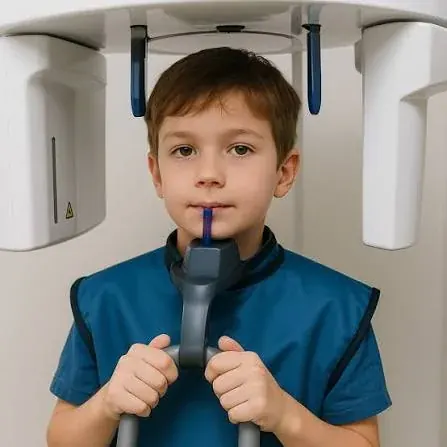
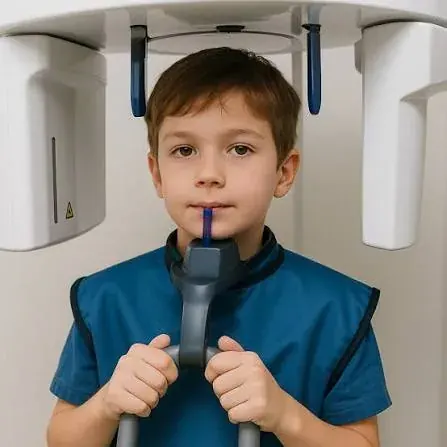
Cone beam CT (CBCT)
CBCT produces a three-dimensional volume of the jaws, teeth and surrounding structures at a lower radiation dose than medical CT. It is the only way to see certain things: the maturity and morphology of the mid-palatal suture before MARPE, the exact position of an impacted tooth and its relationship to adjacent roots, bone thickness at planned miniscrew sites, and condylar bone changes in the jaw joint.
It is not taken routinely. Every scan involves ionising radiation, and the decision to take one is a judgement that the diagnostic yield justifies the exposure for that patient. Where a conventional two-dimensional radiograph will answer the question, that is what is taken.
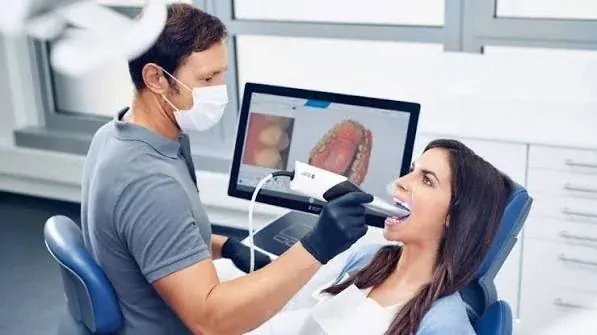
Digital intraoral scanning
An optical scan of the teeth and arches replaces impression material. Beyond comfort, the practical advantages are accuracy, an unlimited ability to re-check without retaking, direct transfer to appliance manufacture, and — importantly — the ability to superimpose scans taken months apart to measure exactly how much movement has occurred.
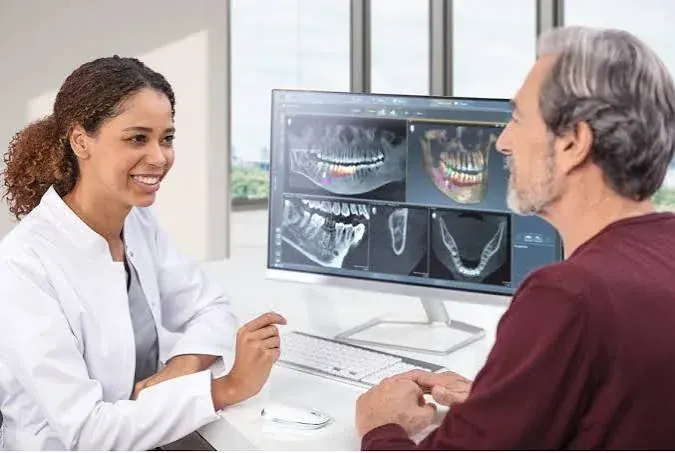
Radiology reporting
Three-dimensional volumes contain more than the orthodontic field of interest. Formal reporting means the whole volume is examined, including structures outside the immediate treatment area, so that incidental findings are identified and referred rather than missed.
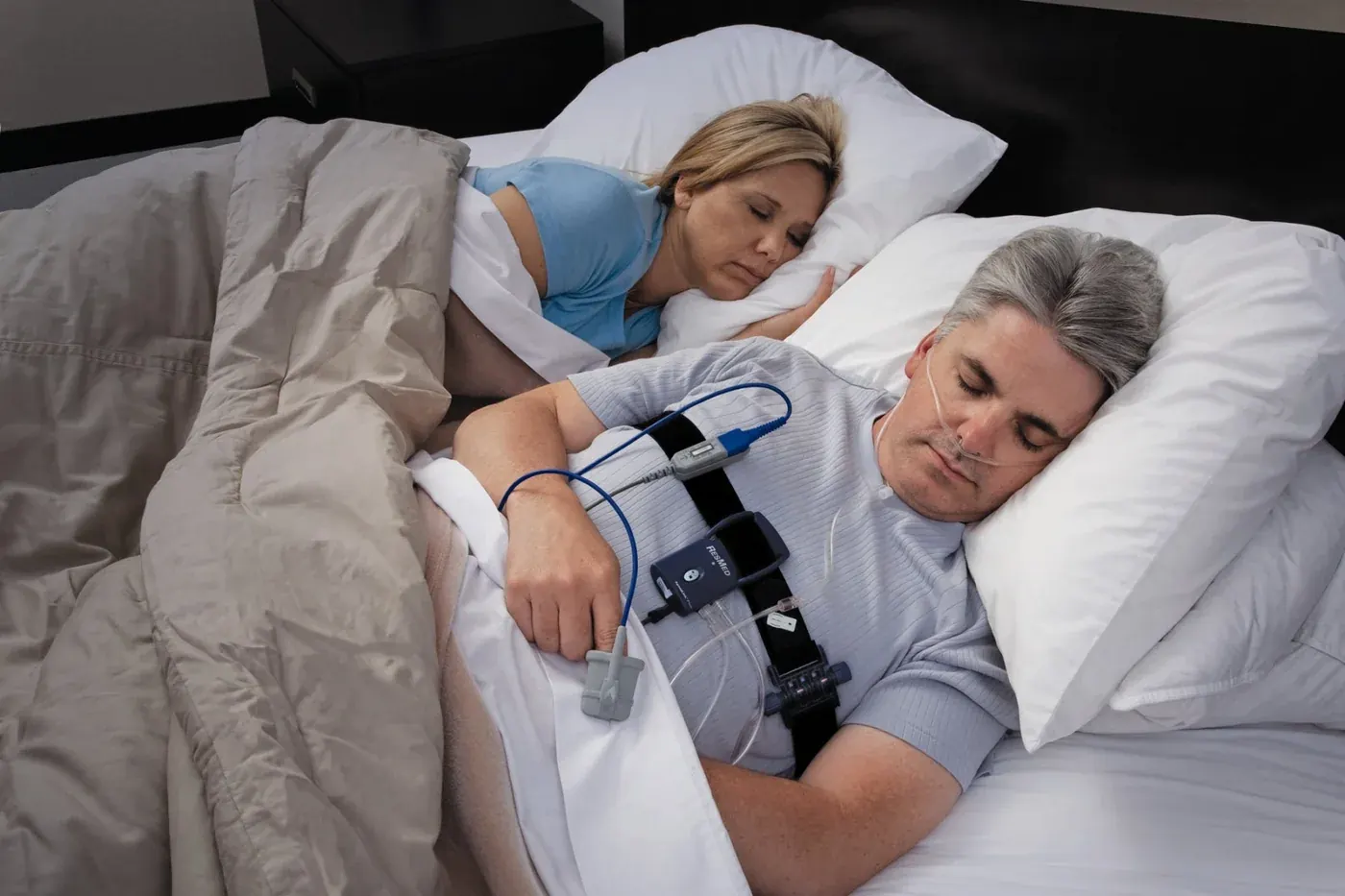
Home sleep screening
Where the history suggests sleep-disordered breathing, a home sleep study can provide objective data to support and speed up referral to a sleep physician. It is a screening tool. It is not a diagnosis, and the physician remains responsible for interpretation and management.
2D and 3D CBCT imaging
What each type of image shows and when it is justified.
Read more
Digital impressions
Intraoral scanning in place of impression trays.
Read more
Radiology reporting
Formal reporting, including incidental findings.
Read more
Home sleep study
What a home study measures, and its limits.
Read more
Frequently asked questions
Is a CBCT scan safe?
CBCT uses a lower dose than medical CT but a higher dose than a standard dental radiograph. It is safe when it is justified — that is, when the information it provides will change what is done. It should not be taken as a routine part of every orthodontic assessment.
Do I still need impressions?
Rarely. Digital scanning has replaced impression material for most purposes, including aligners, retainers, expanders and appliance manufacture.
Page last reviewed: 2026-09-10. This page is general health information about orthodontic care and is not a diagnosis, a treatment plan, or a substitute for an in-person clinical examination. Suitability for any treatment described here can only be established after a consultation, clinical assessment and the appropriate records. If you have symptoms that concern you, seek advice from a qualified clinician.
Continue reading
2D and 3D CBCT imaging
Imaging should answer a question. This page sets out which questions each type of image answers, and why CBCT is not taken…
Digital impressions
An intraoral scanner records the shape of the teeth optically. It replaces impression material for almost every orthodontic…
Radiology reporting
Taking an image and reading an image are different acts. Formal reporting means the whole volume is examined, not only the…
Appointments
Arrange a specialist orthodontic assessment in Dubai
Consultations take place at Manhal Medical Center, Al Safa 1, Dubai, in English or Arabic. Every assessment begins with a full clinical examination and, where indicated, 3D imaging — not a treatment quote.