Condition
Mouth breathing
Habitual mouth breathing is a symptom, not a diagnosis. Treating the mouth without finding out why the nose is not being used is the commonest mistake made with it.
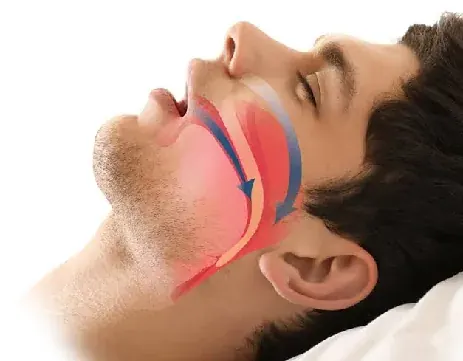
The common causes
- Enlarged adenoids and tonsils — by far the commonest cause in children.
- Allergic rhinitis — very common, often seasonal or dust-related, and frequently under-treated.
- Structural nasal obstruction — a deviated septum, turbinate hypertrophy, or narrow nasal valves.
- Chronic rhinosinusitis and nasal polyps in adults.
- Habit — persisting after the original obstruction has resolved.
- A narrow, high palate, which reduces the volume of the nasal floor. Note this is the one on the list an orthodontist can address, and it is rarely the whole story.
What is known about its effects
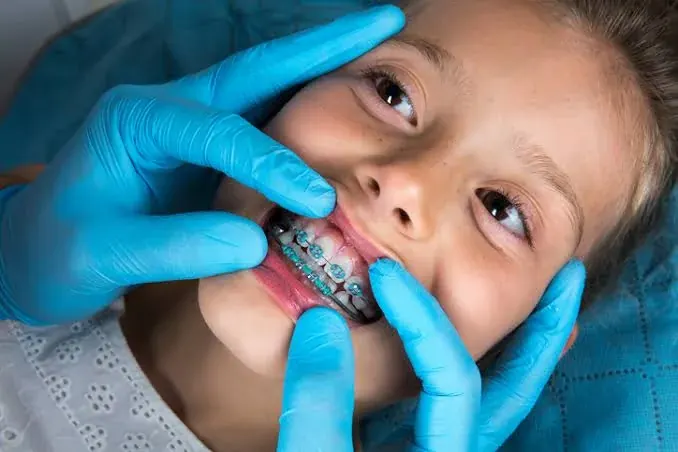
There is a long-standing association between habitual mouth breathing in childhood and a particular facial pattern: a longer lower face, a narrower maxilla, and lips apart at rest. What remains debated is how much of that is caused by the mouth breathing itself as against shared underlying factors. The association is real; the mechanism is less settled than some clinics suggest.
More immediately, mouth breathing dries the mouth, which increases the risk of gum inflammation and decay, and it is frequently accompanied by disturbed sleep — which is the more important thing to identify.
When to seek help
- A child who snores habitually, sleeps restlessly, or is sleepy or inattentive during the day.
- Lips apart at rest with a persistently dry mouth.
- Recurrent throat infections or a persistently blocked nose.
- A narrow upper jaw or crossbite noticed by a dentist.
Frequently asked questions
Will expansion stop my child mouth breathing?
It may help where a narrow maxilla is a contributing factor, and some children do breathe more easily through the nose afterwards. It will not relieve an obstruction sitting above the palate — large adenoids or an inflamed nasal lining need their own treatment. Expansion is not offered here as a treatment for mouth breathing itself.
Is mouth breathing really that harmful?
It is a reason to look further rather than a diagnosis in its own right. Its own direct effects — a dry mouth, gum inflammation — are modest. What matters is what it may be pointing at: nasal obstruction, allergy, or disturbed sleep, any of which is worth identifying.
Page last reviewed: 2026-09-10. This page is general health information about orthodontic care and is not a diagnosis, a treatment plan, or a substitute for an in-person clinical examination. Suitability for any treatment described here can only be established after a consultation, clinical assessment and the appropriate records. If you have symptoms that concern you, seek advice from a qualified clinician.
Appointments
Arrange a specialist orthodontic assessment in Dubai
Consultations take place at Manhal Medical Center, Al Safa 1, Dubai, in English or Arabic. Every assessment begins with a full clinical examination and, where indicated, 3D imaging — not a treatment quote.