Treatment
Myofunctional therapy
Myofunctional therapy retrains how the tongue, lips and facial muscles work at rest and in function. It is a reasonable adjunct in selected cases and is frequently oversold.
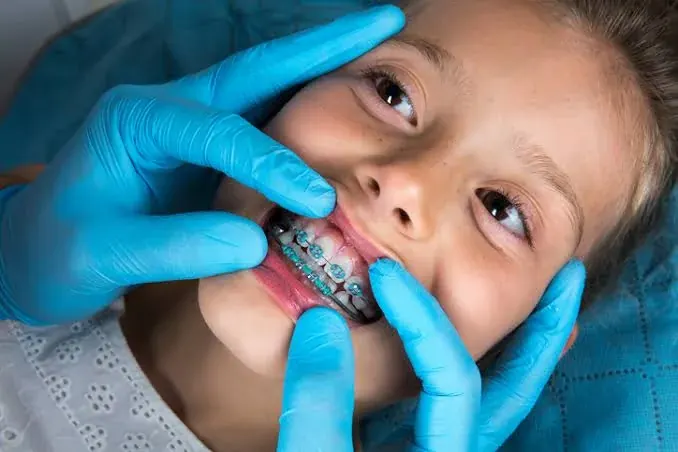
What it addresses
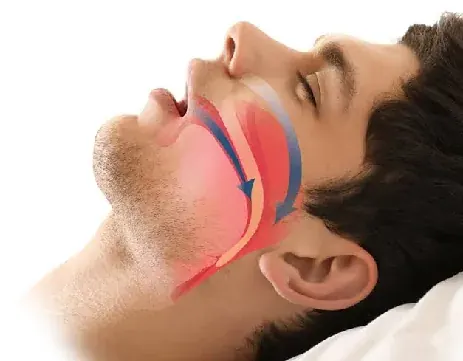
- Resting tongue posture — where the tongue sits when not swallowing or speaking.
- Lip competence and habitual lip apart posture.
- Swallowing pattern, particularly a tongue-thrust swallow.
- Habits such as thumb sucking, nail biting and cheek biting.
- Nasal breathing habit, once any physical obstruction has been treated.
Where it can be useful
As an adjunct, in specific circumstances: alongside orthodontic treatment where an active tongue thrust is contributing to an anterior open bite; after a tongue-tie release, where the tongue needs to learn a new range of movement; in habit cessation; and after ENT treatment has relieved an obstruction, where a mouth-breathing pattern persists out of habit.
An honest account of the evidence
The evidence base for orofacial myofunctional therapy is limited. Studies are generally small, protocols vary widely, and outcome measures are inconsistent. There is some evidence supporting its role as an adjunct in sleep-disordered breathing, and reasonable rationale for its use alongside orthodontics in specific presentations.
What is not supported is its promotion as a stand-alone treatment for malocclusion, facial growth or obstructive sleep apnoea, or claims that it reshapes facial development in an adult. Any clinic presenting it that way is going well beyond the literature.
Frequently asked questions
Can myofunctional therapy replace braces?
No. It addresses muscle function, not tooth position or jaw relationships. Where a functional factor is contributing to a malocclusion, addressing it can support orthodontic treatment and its stability — but it does not substitute for it.
Does it help sleep apnoea?
There is some evidence that myofunctional exercises can reduce the severity of obstructive sleep apnoea modestly, as an adjunct. It is not a treatment for it, and it does not replace medical management.
Page last reviewed: 2026-09-10. This page is general health information about orthodontic care and is not a diagnosis, a treatment plan, or a substitute for an in-person clinical examination. Suitability for any treatment described here can only be established after a consultation, clinical assessment and the appropriate records. If you have symptoms that concern you, seek advice from a qualified clinician.
Appointments
Arrange a specialist orthodontic assessment in Dubai
Consultations take place at Manhal Medical Center, Al Safa 1, Dubai, in English or Arabic. Every assessment begins with a full clinical examination and, where indicated, 3D imaging — not a treatment quote.