Treatment
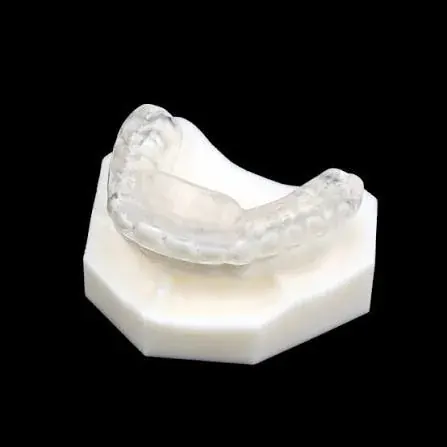
Splints and occlusal orthotics
A splint is a removable appliance worn over the teeth. Used with a clear purpose and a review date, it is useful. Used as a default with neither, it becomes a habit.
What a splint actually does
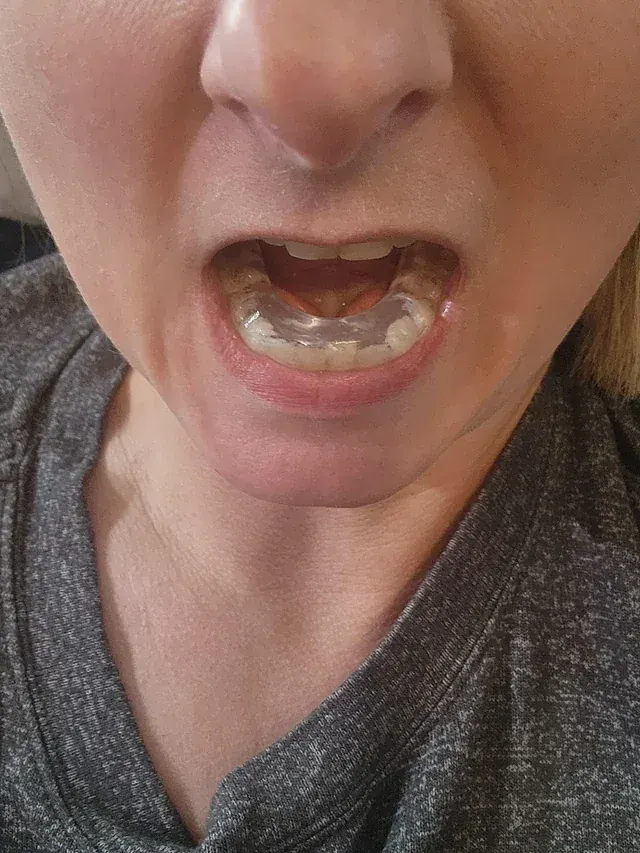
- Protects teeth from wear caused by grinding. This is the clearest and least disputed benefit.
- Changes muscle activity — an even, stable contact on a smooth surface reduces the intensity of parafunctional clenching in many patients.
- Alters joint loading by changing the vertical dimension and the position the jaw closes into.
- Provides diagnostic information — if symptoms change with a change in jaw position, that tells you something useful before any irreversible treatment is considered.
What a splint does not do
It does not permanently correct a bite, it does not reposition a displaced disc, and it does not stop bruxism, which originates centrally rather than in the teeth. A splint worn for years without review is protecting teeth and little else — which may be a perfectly reasonable aim, provided that is what everyone understands it to be doing.
Types
| Type | Purpose |
|---|---|
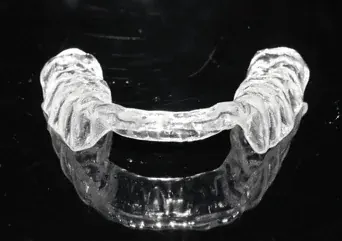
| Stabilisation splint (Michigan / Tanner) | Full coverage, even contacts. The standard first-line splint for masticatory muscle pain and bruxism. |
| Anterior repositioning splint | Postures the mandible forward to alter joint mechanics. Used selectively and for defined periods, because prolonged use can change the bite. |
| Soft splint | Cheap and comfortable, but can increase muscle activity in some patients. Better as a short-term protective measure than as therapy. |
Review
A splint should be reviewed for fit, wear facets and effect. If it is not helping after a reasonable trial, that is information — it usually means the problem is not primarily mechanical, and the plan should change rather than continue.
Frequently asked questions
Will a splint cure my jaw pain?
It helps many patients with masticatory muscle pain, as part of conservative management. It is not a cure, and it works better alongside load reduction, exercises and attention to sleep than on its own.
Do I wear it forever?
Not by default. If the purpose is protecting teeth from grinding, long-term wear may be appropriate. If the purpose was to manage a pain episode, it should be reviewed and reduced. The point is that the purpose should be stated.
Can a splint change my bite?
Full-coverage splints rarely do. Partial-coverage appliances and repositioning splints worn long-term can, which is why they are used for defined periods under supervision.
Page last reviewed: 2026-09-10. This page is general health information about orthodontic care and is not a diagnosis, a treatment plan, or a substitute for an in-person clinical examination. Suitability for any treatment described here can only be established after a consultation, clinical assessment and the appropriate records. If you have symptoms that concern you, seek advice from a qualified clinician.
Appointments
Arrange a specialist orthodontic assessment in Dubai
Consultations take place at Manhal Medical Center, Al Safa 1, Dubai, in English or Arabic. Every assessment begins with a full clinical examination and, where indicated, 3D imaging — not a treatment quote.