Treatment
Mandibular advancement devices
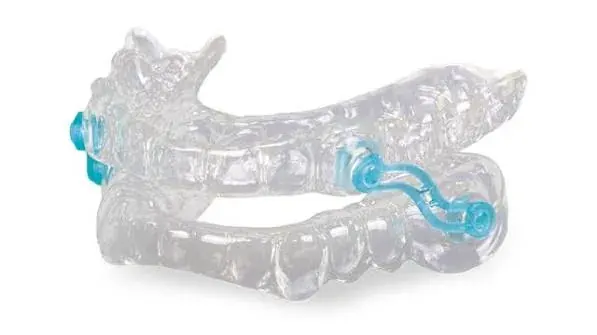
A mandibular advancement device is a custom appliance that holds the lower jaw forward during sleep. It is an effective treatment in the right patients and requires a diagnosis first.
How it works
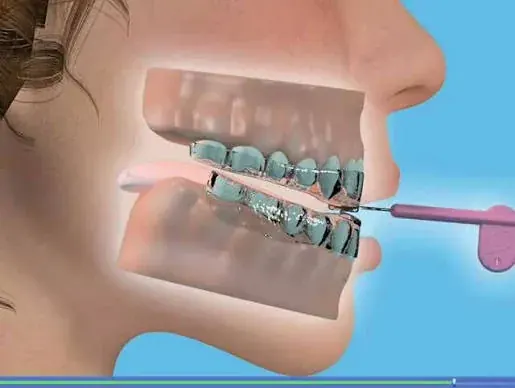
The device consists of upper and lower components connected so that the mandible is held in a protruded position during sleep. Because the tongue and suprahyoid musculature are attached to the mandible, advancing it increases the dimension of the airway behind the tongue and reduces the tendency of the pharynx to collapse under negative pressure.
Who it suits
- Adults with primary snoring where a physician has excluded significant apnoea.
- Adults with mild to moderate obstructive sleep apnoea, where a physician considers oral appliance therapy appropriate.
- Adults with more severe apnoea who cannot tolerate CPAP, as a second-line option agreed with their physician.
- Patients with enough sound teeth, healthy periodontal support and adequate protrusive range.
Custom versus over-the-counter
Custom devices made from accurate records, with an adjustable mechanism that allows advancement in small increments, are more effective and better tolerated than boil-and-bite devices. They also allow the amount of advancement to be titrated to the point where symptoms improve without unacceptable side effects, which a fixed device cannot do.
Side effects

- Morning jaw and muscle discomfort, usually settling in the first weeks.
- Excess salivation or dry mouth.
- Tooth tenderness.
- Progressive occlusal change with long-term use — reduction in overjet and overbite, and small movements of individual teeth. This is well documented and is the main reason for scheduled review with records.
- Temporomandibular symptoms in a minority.
Monitoring
Review appointments check appliance condition and fit, examine for dental and occlusal change against baseline records, and confirm continued benefit. Efficacy against the breathing disorder is confirmed by repeat sleep testing arranged by the physician — not by how the patient feels alone.
Frequently asked questions
Do I need a sleep study first?
Yes. The appropriate treatment depends on the severity and type of the disorder, and quietening snoring while an undiagnosed apnoea persists underneath is the specific harm this requirement prevents.
Will it change my bite?
Long-term use can produce measurable occlusal change in a proportion of patients. It is discussed before treatment and monitored with records at review.
How long does a device last?
Typically a few years, depending on the design and on how heavily the patient grinds. It is replaced when wear affects fit or function.
Page last reviewed: 2026-09-10. This page is general health information about orthodontic care and is not a diagnosis, a treatment plan, or a substitute for an in-person clinical examination. Suitability for any treatment described here can only be established after a consultation, clinical assessment and the appropriate records. If you have symptoms that concern you, seek advice from a qualified clinician.
Appointments
Arrange a specialist orthodontic assessment in Dubai
Consultations take place at Manhal Medical Center, Al Safa 1, Dubai, in English or Arabic. Every assessment begins with a full clinical examination and, where indicated, 3D imaging — not a treatment quote.